In the rapidly evolving landscape of Digital India, having an online presence is no longer a luxury—it is a necessity. For Tier-2 and Tier-3 MSMEs, the shift from traditional brick-and-mortar shops to digital storefronts can feel daunting. However, with the right approach, it opens doors to millions of customers across the country. The cornerstone of this digital transition is professional shopify store design.
Your website is your 24/7 salesperson. If it looks cluttered or confusing, customers will leave just as quickly as they would walk out of a disorganized physical shop. But how do you create a store that builds trust and drives sales without breaking the bank? This comprehensive guide acts as your ‘Digital Sherpa,’ walking you through the essentials of creating a high-performing online store tailored for the Indian market.
In this guide, we will cover:
- Why professional design is critical for Indian MSMEs.
- The 5 core elements of a successful Shopify store.
- How to localize your design for Indian consumers.
- Step-by-step design basics.
- Common mistakes to avoid.
- Frequently Asked Questions (FAQ).
Let’s begin your journey to digital success.
Why Effective Design Matters for Indian MSMEs
For many traditional business owners in cities like Varanasi or Lucknow, the concept of shopify store design might seem purely aesthetic. However, in the digital world, design equals credibility. When a customer from a different state lands on your website, they cannot see your physical shop or shake your hand. Your website design must bridge that trust gap.
Building Instant Trust
Indian consumers are value-conscious and cautious. A professional layout signals that you are a legitimate business. High-quality images, clear fonts, and a structured layout tell the customer that you take your business seriously, reducing the fear of online fraud.
Mobile-First is Non-Negotiable
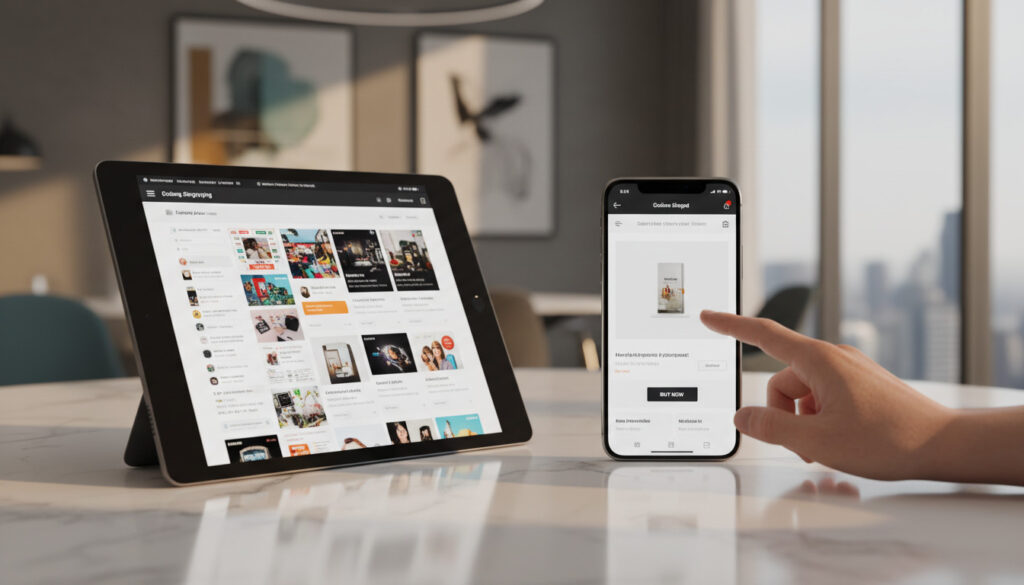
The vast majority of internet users in Tier-2 and Tier-3 cities access the web via smartphones. Your shopify store design must be responsive, meaning it automatically adjusts to fit mobile screens perfectly. If a user has to zoom in to read text or click a button, you have lost a sale.
Speed Wins Sales
Internet connectivity can still be inconsistent in parts of India. A heavy, poorly designed site takes too long to load. Efficient design ensures your store loads quickly, keeping impatient customers engaged.
5 Key Elements of Effective Shopify Store Design
To transform your local business into a national brand, your store needs to incorporate specific elements that guide the visitor toward making a purchase.
1. Intuitive Navigation
Think of navigation like the aisles in your shop. It should be easy to find products. Use clear categories (e.g., ‘Menswear,’ ‘Kitchenware’) rather than clever or vague names. A prominent search bar is essential for users who know exactly what they want.
2. High-Quality Visuals
Since customers cannot touch the product, they rely on photos. Use clear, well-lit images from multiple angles. For Indian apparel or handicrafts, zoom features are critical so customers can see fabric texture and intricate details.
3. Clear Call-to-Action (CTA)
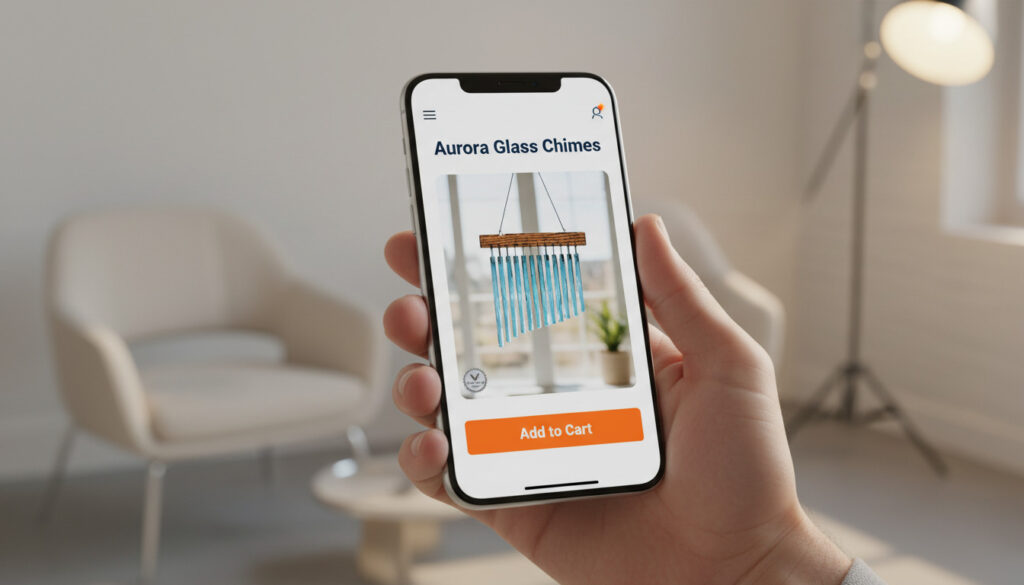
Buttons like “Buy Now,” “Add to Cart,” or “Checkout” should be bold and stand out from the rest of the page. Use contrasting colors to draw the eye to these actions.
4. Trust Badges and Social Proof
Include reviews, testimonials, and trust badges (like ‘Secure Checkout’ or ‘100% Original’). For a new brand, displaying a “Verified Business” badge can significantly increase conversion rates.
5. Seamless Integration
Your design isn’t just about looks; it’s about functionality. This includes integrating smooth payment gateways and inventory management. If you need assistance with complex setups, exploring professional ecommerce marketplace services can ensure your backend is as robust as your frontend.
Localizing Your Design for the Indian Market
Standard international templates often fail in India because they don’t account for local buying behaviors. To truly succeed, your shopify store design must feel local and accessible.
prominent WhatsApp Integration
Unlike Western markets, Indian commerce relies heavily on conversation. Adding a floating WhatsApp chat button allows customers to ask questions immediately, replicating the in-store experience of talking to a shopkeeper. This small design element can double your conversion rate.
Highlight Payment Options (COD & UPI)
Cash on Delivery (COD) is still king in many Tier-2 regions. Ensure your product pages and checkout clearly display icons for COD availability, UPI (Google Pay, PhonePe), and RuPay. This visual reassurance tells customers that paying is easy and safe.
Simplified English or Regional Options
While English is the language of the web, simple language works best. Avoid complex jargon. If possible, use apps to offer your store in Hindi or regional languages to make your brand accessible to a wider audience.
Step-by-Step: Starting Your Design Journey
Step 1: Choose the Right Theme
Shopify offers free and paid themes. For MSMEs starting out, free themes like ‘Dawn’ are excellent. They are lightweight, mobile-responsive, and easy to customize without coding knowledge.
Step 2: Customize Your Branding
Upload your logo and select brand colors. Consistency is key—use the same colors on your website that you use on your packaging or physical signboard to build brand recognition.
Step 3: Organize Your Homepage
Your homepage should answer three questions: Who are you? What do you sell? Why should I buy? Use a hero banner to showcase your best offer or latest collection.
Common Design Mistakes to Avoid
Even with the best intentions, new store owners often fall into traps that hurt their business. Here is what to watch out for:
* Overloading with Pop-ups: Too many pop-ups asking for emails or showing offers annoy users, especially on mobile devices. Stick to one well-timed exit-intent popup.
* Hidden Pricing: Indian customers value transparency. Do not hide shipping costs until the end. Display an estimated delivery fee or, better yet, offer free shipping and highlight it clearly in the header.
* Poor Font Choices: Fancy cursive fonts might look artistic but are hard to read on small screens. Stick to standard, clean sans-serif fonts for the main text.
* Neglecting the ‘About Us’ Page: In the MSME sector, your story matters. A generic About page hurts trust. Use this page to show photos of your team, your workshop, or your history. It humanizes the brand.
DIY vs. Hiring a Digital Sherpa
Shopify is designed to be user-friendly, allowing many business owners to take a DIY approach. This is great for keeping costs low initially. However, as you scale, the complexity of shopify store design increases.
If you find yourself spending more time wrestling with code than managing your business, it might be time to partner with an agency. BufferChime acts as your Digital Sherpa, offering affordable services starting at just ₹500. We bridge the gap between complex technology and your business goals, ensuring you get a premium design without the premium agency price tag.
Frequently Asked Questions
How much does a basic Shopify store design cost?
While Shopify themes can be free, professional customization by agencies can range from ₹10,000 to ₹1 Lakh+. However, BufferChime offers tailored packages for MSMEs that are significantly more affordable, focusing on high-ROI setups.
Can I design a store without coding knowledge?
Yes, absolutely. Shopify uses a drag-and-drop interface. You can build a functional store without writing a single line of code. However, for specific custom features or unique branding, some technical expertise might be required.
Is Shopify better than WooCommerce for Indian MSMEs?
Both have merits. Shopify is easier to set up and requires less technical maintenance, making it ideal for non-tech-savvy owners. WooCommerce offers more flexibility but requires hosting management. For a hassle-free start, Shopify is often the recommended choice.
How do I make my store load faster?
To improve speed, always compress your product images before uploading them. Remove unnecessary apps that you aren’t using, and choose a lightweight theme. Speed is a crucial part of shopify store design for retaining customers on slower networks.
Conclusion
Designing a Shopify store is the first step toward transforming your local MSME into a digital brand. By focusing on mobile responsiveness, building trust through localization, and keeping the user journey simple, you can compete with larger players.
Remember, you don’t have to climb this mountain alone. Whether you need a quick audit of your current site or a full-scale build, BufferChime is here to guide you.
Ready to elevate your business? Contact us today for a free consultation and let us help you reach the summit of online success.